Turkey - Beauty and Culture Combined
Türkiye isn’t one journey, it’s many layered together. Byzantine domes and Ottoman palaces. Rock-carved valleys and Roman cities. Turquoise shores and slow coastal evenings. Few places balance living history and contemporary comfort so naturally. This is where continents meet, and where you don’t have to choose between exploration and ease.
THE FEELING
You feel Türkiye in contrasts. The first call to prayer drifting across Istanbul’s skyline. The stillness of Cappadocia at sunrise. The salt air along the Aegean coast. Today, Türkiye offers something seamless: cultural depth in the morning, coastal calm by afternoon.
It’s a country shaped by centuries of movement, empires, traders, pilgrims, and yet it feels grounded. Markets hum with daily life. Tea is poured without rush. History isn’t preserved behind glass; it stands in the open air.
THE PLACES TO KNOW
Istanbul - Where Continents Connect
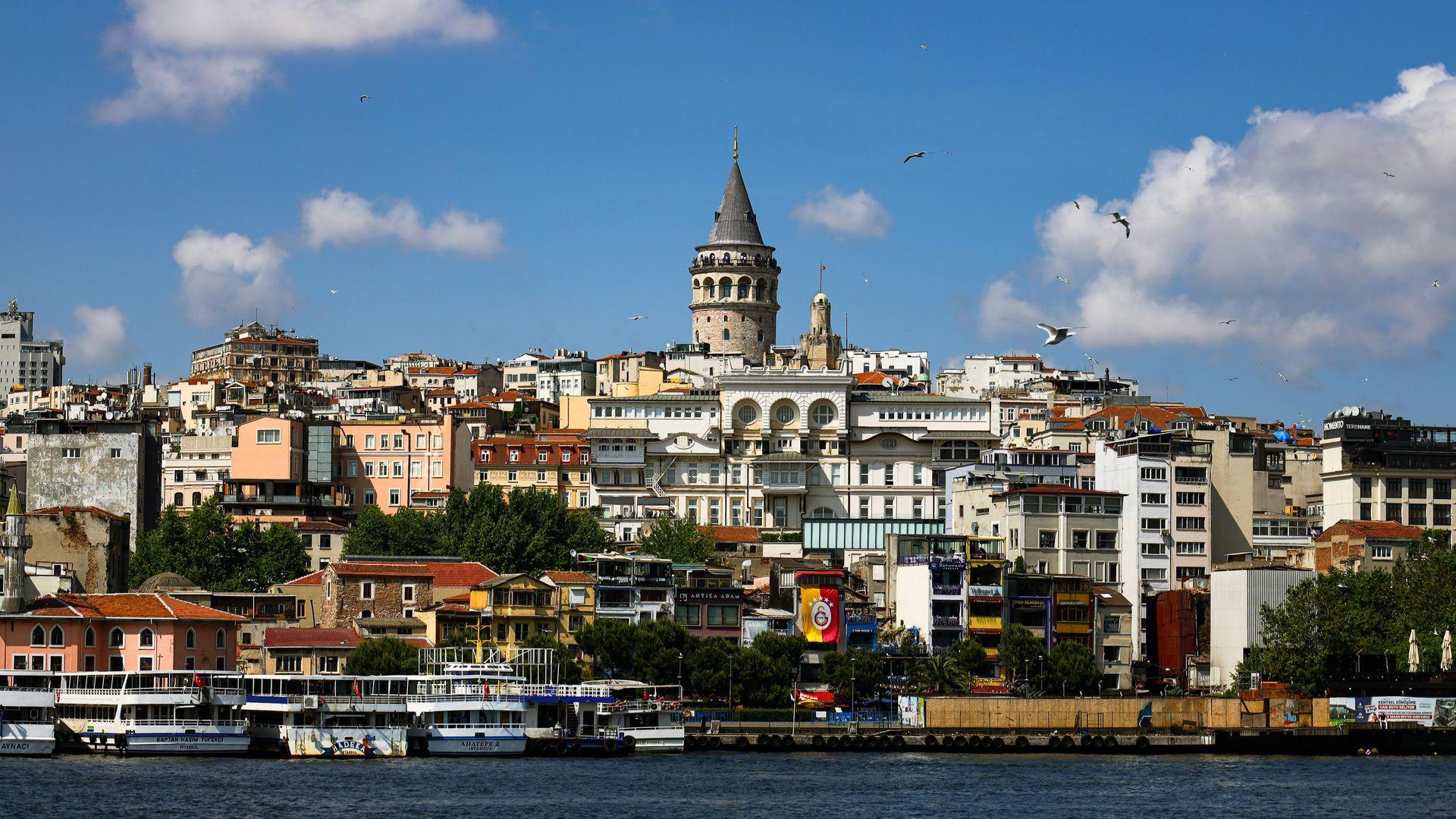
Even though it is not the capital city, Istanbul is Türkiye’s cultural heartbeat. The skyline tells its story: the Hagia Sophia, first a cathedral, later a mosque, now a monument of global significance; the Blue Mosque with its cascading domes; Topkapi Palace overlooking the Bosphorus.
In Sultanahmet, centuries unfold within walking distance. In the Grand Bazaar, one of the world’s oldest covered markets, tradition continues in colour and craft. A ferry across the Bosphorus reveals the city from the water, palaces, wooden mansions, and modern life intertwined.
Feeling cue: energy meets endurance.
Cappadocia - Landscape Shaped by Time
In central Anatolia, Cappadocia’s terrain feels almost otherworldly. Volcanic rock, shaped by erosion, has formed the region’s iconic “fairy chimneys.” For centuries, communities carved homes, churches and entire underground cities into this soft stone.
The Göreme Open-Air Museum preserves rock-cut churches adorned with medieval frescoes. At sunrise, hot air balloons rise over valleys in one of the region’s most recognisable experiences, not spectacle for its own sake, but perspective on a remarkable landscape. Something to enjoy from the ground or the air.
Feeling cue: stillness meets wonder.
Ephesus & The Aegean - Classical Legacy
On Türkiye’s western coast lies Ephesus, one of the best-preserved ancient cities of the Mediterranean world. Walk along marble streets toward the façade of the Library of Celsus; stand within the vast Great Theatre that once held thousands.
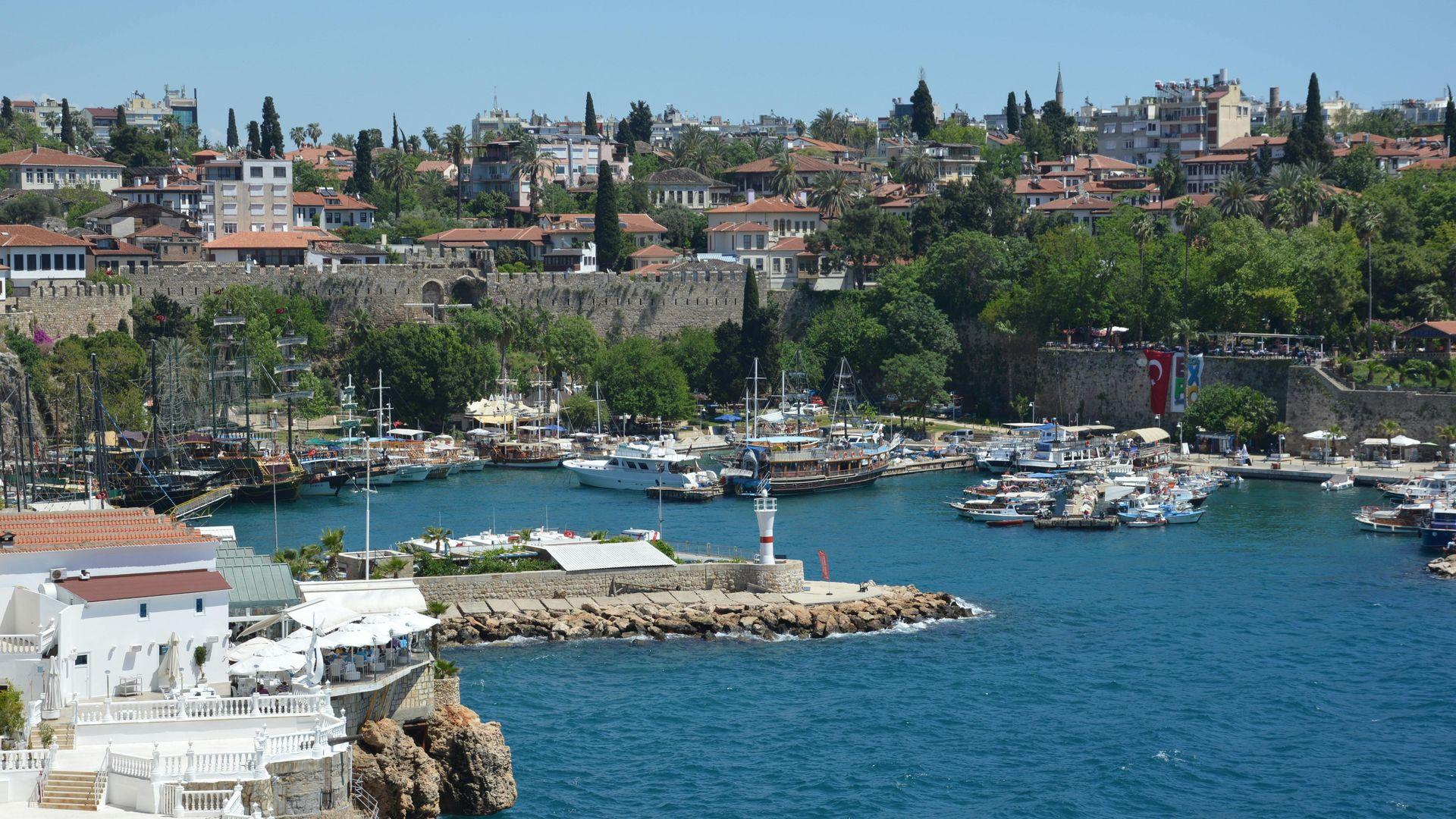
Nearby, the Aegean coastline softens the pace. Resorts along the Turkish Riviera combine clear waters with easy access to archaeological heritage. It’s entirely possible to spend the morning among Roman ruins and the afternoon by the sea.
Feeling cue: antiquity meets lightness.
Pamukkale - Nature’s Architecture
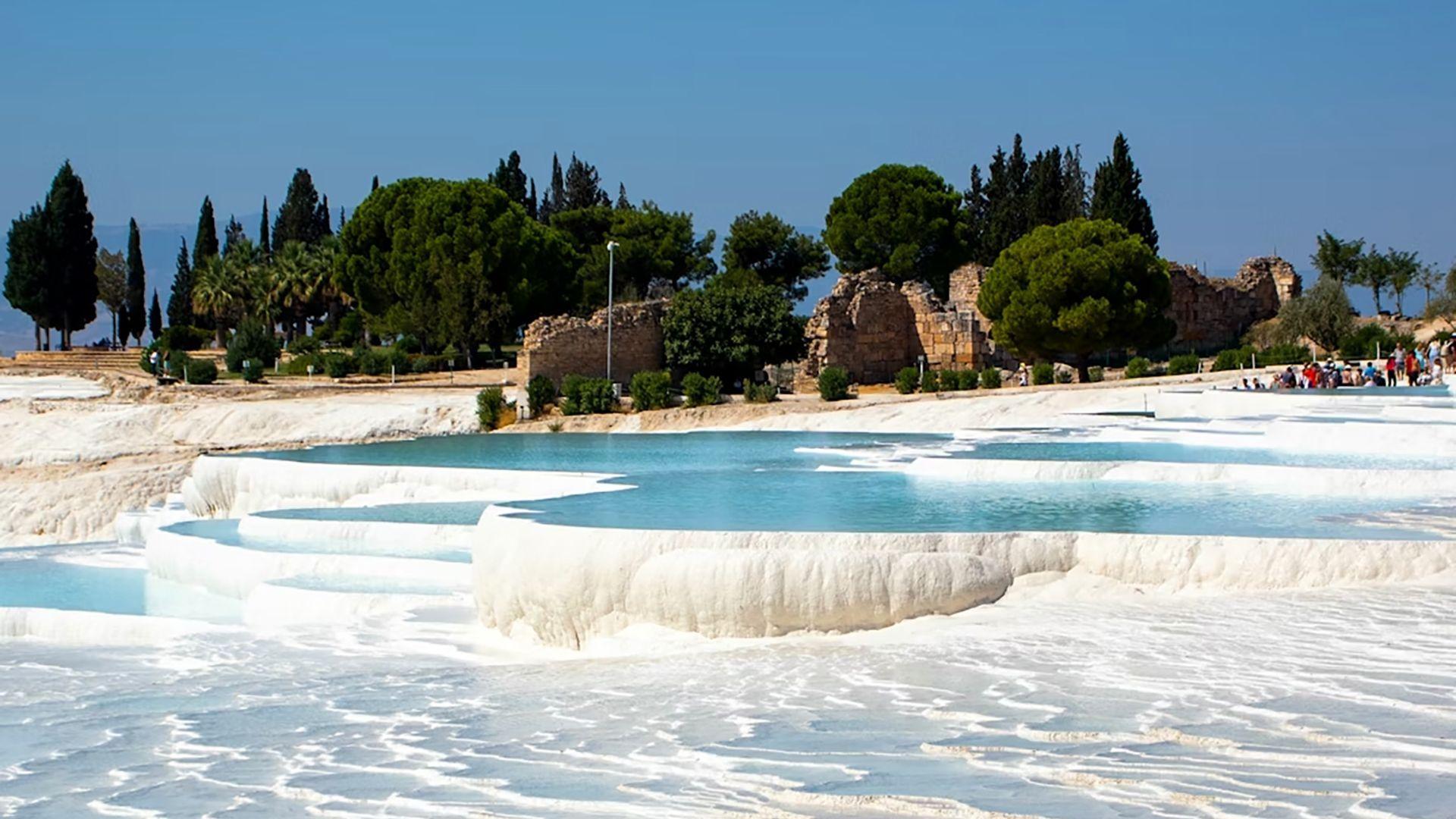
Pamukkale’s white travertine terraces cascade down a hillside, formed by mineral-rich thermal waters flowing over centuries. Above the terraces lies Hierapolis, an ancient spa city where visitors once sought healing in the same waters that shape the landscape today.
It’s one of Türkiye’s most distinctive natural landmarks, both geological phenomenon and historical site.
Feeling cue: purity meets perspective.
NEED TO KNOW
Getting There & Best Times to Go
Istanbul Airport is Türkiye’s main international gateway, with Antalya serving much of the Mediterranean coast, popular for holidays alongside Bodrum. Direct flights operate from most major UK cities. Spring (April-June) and Autumn (September-October) are widely considered the most comfortable seasons for sightseeing, offering warm but manageable temperatures. Summer is ideal for coastal stays, particularly along the Aegean and Mediterranean.
How To Combine Culture & Beauty
A well-balanced itinerary often begins in Istanbul, continues to Cappadocia for landscapes and heritage, and ends along the Aegean or Mediterranean coast. Domestic flights make these connections straightforward. If you are seeking both discovery and downtime, Türkiye delivers both without compromise.
Practical Tips
Comfortable walking shoes are essential for archaeological sites.
Modest dress is recommended when visiting mosques (shoulders and knees covered).
Guided tours can deepen understanding at major historical sites.
Author : Bilge Oguzalp - Published 20/09/2025